
The story about the amazing Annique Rooibos Tea started in 1968. It is a story of wonder, courage and an amazing discovery; a story poised to be told to the world.
Annique made extensive enquiries about her findings lest her discovery was nothing new. She could, however, find no one who had ever heard of this particular beneficial effect of rooibos tea. Within weeks and with the help of a journalist friend, Annique found 18 mothers with babies suffering from a variety of food allergies. These babies were to form the core of the task she set herself in verifying her findings on a broader basis. All of these babies reacted positively to the rooibos tea addition to their diets, some in only a few days. Annique's findings were published in the local Sunday News Paper and she was inundated with calls from mothers with the same problems.
Since that historical discovery and the documentation of Annique's findings, she's helped thousands of mothers with allergic babies, children and even adults with her rooibos tea. In 1970 Annique published her findings in a book called: "Allergies:An Amazing Discovery ® ".This book includes Anniques Primative Diet Plan for allergic babies and children and is available from your Annique Representative.
By 1973 Annique started the development of the Annique Rooibos ® Skin Care Range which would be beneficial to the sensitive and dry skin. An untouched photo of Annique herewith testifies to the fact that these products work. Without a face-lift and at 66 years of age, Annique still looks much younger than her age. Her skin is without blemish and super smooth, healthy and baby-soft to the touch.
Annique Rooibos Tea contains no caffeine and only small
traces of tannin One cup or 8 ozs of Annique Rooibos Tea
without sugar or milk contains the following beneficial minerals:
Calcium(5,45mg); Copper (0,01mg); Fluoride(0,04mg);
Iron(0,20mg); Manganese(0,18mg);
Magnesium(4,55mg);Potassium(7,23mg and Zinc (0,02mg).

Rooibos Tea is rapidly gaining in popularity as a health beverage as a growing body of evidence points to the therapeutic value of Rooibos Tea as an anti-aging supplement to a healthier life. Supplements your body's need for SOD (super oxide dismutose) providing a natural antioxidant to protect the body. Contains Healing properties to relieve allergies. Rich in essential minerals for good health and vitality. Is naturally caffeine free. Soothes colic in infants; relieves digestive distress in adults.
The versatility of Annique Rooibos Tea is evident from the many ways in which it can be used. Annique Rooibos is packed in tea bags for easy use. Rooibos has a soft and delicate taste and may be prepared like ordinary tea or could be mixed with fruit juice or served cold with lots of ice, a squeeze of lemon, or a sprig of fresh mint.
Alternative Revitaliser - South African Punch
Prepare 1.2 litres of Strong Tooibos Tea and while hot, Add 160 grams of sugar and stir until dissolved. Add: 1 litre orange juice, 1 litre apple juice, 3 cups of spring water. Add 1 litre of ginger ale when cool. Garnish with mint, cherries, apple and lemon slices.
Rooibos Tea Nutritional Information
Typical Values As per brewed serving without sugar or milk |
Rooibos Tea |
Caffeine |
0 |
Potash |
7.23mg |
Calcium |
5.45mg |
Magnesium |
4.55mg |
Iron |
0.20mg |
Copper |
0.01mg |
Manganese |
0.18mg |
Zinc |
0.02mg |
Fluoride |
0.04mg |
Acidity |
pH 5.3 |
Tannin |
Low |
The Annique Skin Care Range was developed using an extract from a unique herbal tea
Annique products are uniquely formulated to respond to your specific skin type and personal needs in skin care. The method of application for the Annique products proves both to be gentle and benificial to your skin.
Annique Cleansing Lotion
The cleansing lotion will not irritate the skin or strip the skin's natural oils, but conserve the skin's own moisturizing oils. The cleanser is formulated to clean the skin without burning it. It leaves the skin feeling fresh. Annique recommends cleansing your skin only once each day to guard against stripping of the natural oils. Remove cleanser with lukewarm water or with an infusion of Rooibos tea.
Annique Revitalising Creme
The Crown of our Products. It contains three active plant serums to restore and nourish skin cells and revive dull and lifeless skin. The Revitalising Creme is fragrance-free to improve the action of the plants and to combat allergies. This Crown Product promotes the improvement of the cell's ability to produce collagen and retain moisture, and to increase the elasticity of the skin. The Revitalising Creme enhances the function of the other Anniue products.
Annique Mositurizing Creme
A velvety, fragrance-free, white creme with a thick, rich texture. It restores the moisture content of both dry and dehydrated skin. For the best results, the moisturizer should also be applied regularily throughout the day.
Annique Creme de Nuit
A rich and nourishing formula which may be used for all skin types even the most sensitive skins. The Creme de Nuit is fragrance-free and will not irritate the skin. This nourishing creme supplies sufficiently in the nutritional needs of the skin.
Annique Skin Freshener
A gently fragranced liquid to restore the ph balance of the skin after cleansing. The Annique Skin Freshener is applied after application of the Annique Cremes. Application of the Annique Skin Freshener before the cremes will cause the pores to close, preventing absorbtion of the other Annique Cremes.
As you've seen, Redbush is a truly holistic wonder worker. So it's no surprise that this herbal tea has been known to nurse yet more human ailments. Further medical testing has shown that Redbush not only possesses "anti-allergic" and "anti-spasmodic" properties, but a host of other healing properties as well.
Warding Off Viruses
Recent Japanese and South African dermatological (skin-related) studies show that Redbush can assist in fighting viruses. This "anti-viral" property is especially beneficial to high-performance athletes, who are more at risk of viral infection than anyone else.
Easing Swells
The same studies also revealed that the tea is able to considerably reduce swelling. With sports people, for instance, Redbush can play a vital role in aiding the symptomatic relief of joint and muscle inflammation.
Helping Prevent Cancer
It was further found that Redbush Tea has "anti-carcinogenic" (anti-cancerous) properties. While these particular results were obtained from laboratory tests, scientists are confident that the effects would be the same on the human body.
Fighting Free Radicals
What's more, physicians have discovered that Redbush contains 9 types of flavonoids. Four of the 9 are especially powerful, namely quercetin, luteolin, isoquercitrin and rutin. Working in conjunction with the tea's considerably high Vitamin C content (1,5mg/ml), these flavonoids act as "anti-oxidant" compounds: agents which actively fight the harmful free radicals in the human body. Left unchecked, free radicals will attack your fat, protein and DNA cells, the building blocks of the body. Flavonoids like the quercetin found in Redbush, help to neutralise the invaders. Hereby reducing cell-damage, and leaving your body's immune system more resillient to life-threatening diseases like heart-attacks, Alzheimer's and AIDS.
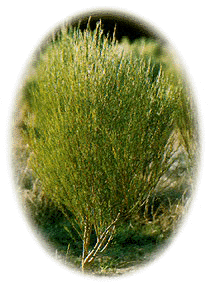 Redbush Tea is a unique South
African product
Fortifying the Fit and Over-40's
The "anti-oxidant" flavonoids in Redbush are particularly good for the systems of people over 40, and the physically active. The older you are, the less able your body is to combat free radicals on its own. And the fitter you are, the faster your body's oxygen is depleted; as your cells empty of oxygen, free radicals are allowed to take control.
Drinking Redbush helps to keep their numbers down and restore a healthy balance.
With so many health-promoting properties, it's easy to see why the world's doctors are starting to take serious note of Redbush Tea's potential. As more and more cases of its successes come to light, even depression and nervous conditions are falling under its soothing herbal umbrella. The tea has long since also been reported to relieve warts, photosensitive dermatitis, and eczema.
And while its results of the latest studies are not wholly conclusive yet, the evidence points firmly towards still more intrinsic medical benefits:
Low concentrations of a substance called catechin indicate that Redbush could help prevent tooth decay; certain terponoids located are believed to offer relief to asthma sufferers; the pinitol found seems a likely candidate for inhibiting diabetes; traces of rutin were also discovered, a compound with vitamin P activity that reinforces and stabilises weak blood vessels; and last, but not least, several of of the carboxylic acids isolated are known to restrict liver damage and are useful in the treatment of hangovers.
So while Redbush can't be said to reverse the ageing process, it can be said to promote your health. And it certainly acts as a strong ally in the cause to prevent some life-shortening ailments and diseases.
An Ancient Remedy
Cloaking the slopes of the magical Cedarberg mountains in South Africa, is Redbush. A natural herb unique to the Cedar Valley in the Western Cape.
Many centuries ago, this tea plant was well-known to the people of the indigenous Khoisan tribe; used by these ancient folk as a herbal remedy for a wide range of ailments. But as their people whittled away, the herbal lore of Redbush was forgotten.
A Wonder Rediscovered
After botanists discovered the plant in 1772, generations of South Africans simply enjoyed it for its sweet, refreshing taste; unaware of the startling powers this wonder of Nature possessed.
It was Annique Theron who rediscovered its magic. In 1968, this South African mother stumbled across its ability to soothe and calm her baby, relieving the infant of colic and insomnia. Amazed by its natural healing potential, Annique went on to investigate and document its health-promoting properties as a caffeine-free, low-in-tannin tea. Not just for babies, but allergies and ailments across a broad spectrum of age groups.
Harvesting Cedar Valley Estate Redbush
tea. Here, each leaf and stem is hand-picked and dried under the
hot African sun. Cedar Valley Estate includes only the purest
parts of the tea plant in the final product; none of the less
appetising "toppings" are added. The tea is pasteurised
and hygienically treated under the stricktest control conditions.
The Redbush Revelation
In the years since the publication of her book ("Allergies - an Amazing Discovery"), her findings have been scientifically verified. And as the medical world has awoken to the healing powers of Redbush, intensive research has begun to unearth the secrets locked in its leaves.
With each new revelation, the tea is enjoying increasing popularity among the health-conscious. Not only in its country of origin, but all across the world.
Anti-allergic Evidence
South African scientists have deduced that the reason why Redbush is anti-allergic, is that it contains quercetin, an "anti-spasmodic" substance ("spasmodic" substances cause allergies).
Quercetin is found in quantities between 1,4 and 1,7mg per 150ml of the tea.
But what truly bears testimony to its ability, is the simple fact that it's taken by allergy sufferers all over the world, and it works.
An Aid for All Ages
The quercetin in Redbush Tea that combats so many allergic symptoms for babies, has a lot to offer people beyond infancy too.
Here are a few of the allergic symptoms the tea is most commonly known to alleviate, along with some suggested application methods...
Acne the Teenager's Plague
The following face-masque method has proven a saviour to many an acne sufferer:
Tired, Smarting, Puffy or
Sensitive Eyes
Those who read and/or study a lot will find this hint particularly valuable. Every morning, on getting up, either:
Sinus Problems
When taken as a beverage, Redbush Tea will alleviate sneezing and an itchy nose. Itchy eyes can be relieved with a facecloth using method (2) above, whenever symptoms arise.
Hayfever & Running Noses
(In addition to this method, it also helps during a hayfever spell to cut foods like wheat products, milk and eggs from your diet.)
Itchy or Burning Skin
Eczema
Annique Theron was honoured with a second gold medal at the '97 International Inventions Exhibition. This was for patenting an extract of Redbush Tea to be used in special anti-allergic skin- and baby care ranges.
The idea came when she discovered that bathing a baby in Redbush Tea relieved the infant of eczema.
If you suffer from this problem, bathing the affected skin areas in Redbush can provide soothing relief.
A Cure for Crybabies
At the 1997 International Inventions Exhibition in Geneva, Annique Theron was honoured with a gold medal for the discovery of Redbush Tea's anti-allergic properties.
An apt award. Because thanks to Annique's remarkable find, Redbush has become a tried-and-tested cure for crying infants. A trusted remedy, backed by both extensive research at leading universities, and three decades of hands-on motherly experience.
Which is especially good news if your little one suffers allergic symptoms like colic, insomnia or stomach cramps. Because of its natural soothing and calming powers, by replacing the water in the bottle feed with Redbush Herbal Tea, your baby remains silent and content. Benefitting from better digestion, and deep, untroubled sleep. Lorinda and Annique, 1969
Enriching the Infant System
Redbush is low in tannin, so it doesn't deplete your baby's iron reserves during pregnancy or breastfeeding, and ensures that the absorption of protein is unaffected. What's more, its calcium traces help to strengthen the youngsters teeth and bones. While its zinc and magnesium contents promote a healthy skin and a well-developed nervous system. So for many reasons Redbush Tea is a real boon for your baby. Which is why it's already a health asset to mothers around the world.
Weaning Your Baby onto Redbush
While its sweet taste should appeal to your infant's newly-formed taste buds, like all good things, Redbush Tea can take a little getting used to. As you know, patience and perseverance are the only remedies for the junior palate. But when it comes to Redbush, it's well worth the wait.
When introducing this herbal tea to your infant's diet, you are strongly advised to heed the following advice and preparation hints.
HINT: If your baby is sensitive to milk, and bottlefeeding, replace the water in the bottle feed formula with Redbush Tea.
NB: Don't panic if your child still seems upset or discontent or upset after the first day. No matter what age your baby or toddler is, four days are usually needed for the system to form a natural resistance to its instinctive sensitivity.
Foods to Avoid
If your baby is hyper-allergic, certain foods are best avoided due to their suspected allergenic (allergy-causing) effects. Once your baby is accustomed to a Redbush diet, these foods may be introduced at 5 day intervals; but for the time being, they should be left out of the diet completely.
Food to avoid in the initial stages are:
More Magic for Mothers
The health benefits of a balanced diet with Redbush Tea are countless. It not only provides your baby with a vital source of essential minerals, but also relieves a host of allergic symptoms - colic, insomnia, stomach cramps, nausea, abnormal stools, chronic diarrhoea, vomiting and cradle-cap, to name but a few.
What's more, during pregnancy or breastfeeding, Redbush offers harmless, soothing refreshment to a mother's frayed nerves.
But the magic doesn't end at that. Mothers will be delighted to know that Redbush also offers precious relief from that other age-old plague: nappy rash.
Life is a journey seasoned with new discoveries. And each who embarks upon it, absorbs them at a slightly different pace. Some encounters along the way aren't immediately appealing to the senses.
Often, when venturing into newfound territory, time is needed to accustom yourself to the novelty of the world you're discovering.
The same might be said of this special herbal tea. Because, in addition to being a unique product of Africa's Cedar Valley, and offering the world an astounding wealth of natural healing abilities, Redbush Tea is singular for its taste. With a distinctive aroma, and a delicate, yet sweet nutty flavour. Trying it is an adventure of the palate.
An experience that may seem a little foreign at first. But just as a visit to the Cedar Valley has the power to invigorate your soul, aquiring a taste for Redbush Tea is a truly rewarding endeavour. Both for your taste-buds, and your body.
And once you've
learnt to savour its taste, the "Red Magic" will stay
with you. For life.
After extracting the watersoluble plant material from the Redbush tea leaves, the metabolites were isolated and identified using various chromatographic, chemical, spectrometric and spectroscopic techniques.
The result was the isolation of various benzoic and cinnamic acids, C-O glycosides, C-C flavone glycosides, a chromone, C-C dihydrochalcone glycosides, catechin, procyanidin B3 as well as a profisetinidin triflavonoid. In addition, the inositol (+)-pinitol and nucleoside uridine were isolated from Redbush tea for the first time. Many of these compounds possess well-known physiological and anti-oxidative properties.
Redbush tea is caffeine-free and has a low tannin content. This ensures that the absorption of iron from the digestive tract is not hindered and that the digestion of protein is unaffected. As a result, Redbush tea does not cause heartburn or constipation.
Other researchers also found Redbush tea contains 15,7 mg/100g of vitamin C, an anti-oxidant, as well as a variety of minerals, including iron, potassium, calcium and magnesium. It was also found to contain sufficient fluoride to have an anticariogenic effect.
For many years Redbush has been used in patients with allergy, it contains the flavonol quercetin and the flavone luteolin which is well known for its antispasmodic activity and is often used for babies with milk allergy.
Among the volatile metabolites isolated from Redbush, was terpinen-4-ol which is known not only to be antiallergic but also analgesic, antiasthmatic and antibacterial (1).
Redbush tea extracts have been used successfully in various dermatological conditions which are associated with active oxygen species produced by polimorphonuclear leucocytes and ultraviolet light. Previously, anti-oxidants such as potassium iodide, tetracycline, Beta-carotene and vitamin E were used to treat these conditions.
Because Redbush tea has the ability to scavenge superoxide radicals (fig. 1) without having any effect on the respiratory activity of the human polimorphonuclear leucocytes, it may indicate clinical value in recurring or incurable disease (14).
Redbush tea has also been used as an adjunct to conventional therapy in a variety of other dermatological conditions.
It was found to relieve the itch associated with atopic dermatitis and also provided relief in patients with prurigo nodularis and erythroderma (2). Furthermore, Redbush tea has been shown to reduce the incidence of aphihosis recurrences (2). Shindo and Kato refers to a series of patients where the conditions of seven out of eleven with relief acne pustolosa were controlled using only a topical antibiotic and Redbush tea (2). By including Redbush tea in the treatment of steroid induced dermatitis the treatment period was shortened (2).
The fact that photosensitive dermatitis is associated with active oxygen species produced by UV radiation suggests another role for the use of Redbush tea. The addition of Redbush to glucocorticoid treatment has been shown to be effective in controlling the condition, according to Shindo and Kato (reference or explanation required).
Table 1 lists a few of the Redbush tea metabolites, which were isolated along with their physiological activities.
From Dr Marais research it is now apparent that Redbush tea may be more than just an enjoyable beverage. It contains many physiologically active compounds which may be beneficial to a healthier life.
3O2 2H+202 + 2H+ H2O2 + O2
(FIG 1)
Superoxide dismutase is a naturally occurring enzyme which protects the body against active oxygen species by scavenging excess superoxide.
TABLE 1
| Terpinen-4-ol | Analgesic, antiallergic, antiasthmatic, antibacterial, expectorant, hypotensive, vasodilator |
| Eugenol | Antibacterial, antiyeast, hypothermic, antioxidant, skeletal muscle relaxant, anticonvulsant, CNS depressant |
| Ferulic acid | Antibacterial, antifungal, antiyeast, antiarrhythmic, antihepatotoxic, antitumour, antiocstrogenic |
| Quercetin | Antiviral, antineoplastic, antioxidant, antispasmodic |
TABLE 2
| Eugenol |
| Caffeic acid |
| Protocatechuic acid |
| Ferulic acid |
| Quercetin |
| Isoquercetrin |
| Rutin |
| Isovitexin |
| Luteolin |
| Ascorbic acid |
| Also: |
| p - Coumaric acid |
| p - Hydroxybenzoic acid |
| Vanillic acid |
| Syringic acid |
REFERENCES
1a. T. Habu, R.A. Flath, T.R. Mon and J.F. Morton, J. Agric Food Chem., 1985 33 (2), 249.
b. M. Kawakami, A. Kobayashi and K. Kator, J. Agric Food Chem., 1993, 41, 633.
c. C.W.W. Beecher, N.R. Farnsworth and C. Gyllenhaal in Natural Products of Woody Plants II; ed. J.W. Rowe, Springer - Verlag, Berlin, 1989, 1070.
2. Y. Shindo and K. Kato in Proceedings of the International Symposium on Tea Science, The Organizing Commitee of ISTS, Shizuoka, Japan, Kurofane Co. Ltd., 1991, 385.
During the past few years, Redbush tea has become the favorite beverage of thousands of people across the globe. Most of these people are convinced or believe that the drink is beneficial to their health. . .
Some of these presumptions are now scientifically supported by Dr Marais academically founded research.
Her study entailed the isolation of metabolites from Redbush tea and the subsequent consultation of literature to determine the physiological activities of the isolated compounds. "We observed the fermentation process and then substantiated the findings in a biomimetic model," she says. She was supported and aided throughout by her supervisor, Dr Kobus Steenkamp and supervisor Prof Daneel Ferreira, head of the Chemistry Department at the University of the Free State.
"We actually observed what
occurs during the processing of Redbush tea," she
says.
Skin Ailments
Dr Marais says in a nutshell certain compounds, altogether about 30, were identified - of which the activities corresponded with the qualities and characteristics generally attributed to Redbush tea.
After the discovery in 1968 that Redbush had an anti-spasmodic activity, the theory was verified in 1974. She could once again substantiate this quality through her research. Furthermore, ascorbic acid - an anti-oxidant - was discovered in the tea in 1983, adding yet more substance to the perfection of Redbush as a healthy and beneficial beverage to the consumer.
Based on these findings,
Japanese researchers investigated the connection between
certain dermatological ailments which are associated with
oxidation reactions and monitored the influence of
Redbush tea on these conditions. One of the most obvious
reactions observed, was that people with warts sometimes
had relief from drinking Redbush tea. Likewise, people
with eczema and acne also had relief from drinking the
tea as well as topical application. It was found that it
also had a positive effect on certain individuals
suffering from photosensitive dermatitis.
Anti-oxidant
"With regard to anti-oxidative qualities, we and other researchers isolated a number of compounds like ascorbic acid, various carboxylic acids, quercetin, luteolin, isoquercetrin and rutin," she says. a that anti-oxidants probably have the potential of inhibiting and even preventing certain illnesses and conditions - like strokes, cancer and heart attacks.
She says the low concentrations of catechin that was found in Redbush, could possibly also contribute to the prevention of tooth decay.
Some of the qualities of Redbush which had previously not been taken note of are, inter alia its antiasthmatic properties which were observed in certain of the isolated compounds, mainly certain terpenoids previously isolated by Japanese researchers.
Dr Marais says the compound (+)-pinitol, which is known to be an expectorant, was found to inhibit diabetes when tested on mice. Furthermore, several of the carboxylic acids which were isolated, are known to have the potential of being anti-hepatotoxic and could therefore inhibit damage to the liver, hence useful in the treatment of a hangover.
Rutin, another compound which was identified, is used in medication and has so-called vitamin P activity which reinforces and stabilizes blood vessels.
Prof Ferreira says on the strength of the outcome of his department's Redbush project, their expertise can now be applied to the benefit of the economy.
He says while Redbush tea is regarded as a health drink by many, the modern and developed First World person also has the need to know WHY something is beneficial and healthy. "Substantiated, basic research like ours is essential for the verification of assumtions," he says.
All suspiscions, claims and beliefs about the wholesomeness and beneficial qualities of Redbush tea have been substantiated and verified through recent scientific research.
Brilliant Chemistry student Charlene Marais recently obtained a Doctor's degree in Sciences from the University of the Free State. She dedicated her research to the chemical qualities of Redbush tea. And what she found not only put the seal of safety on skin and baby care products with Redbush tea extract as their basic component, but it is also bound to boost the Redbush tea industry as such.
In the 30 compounds she isolated
from Redbush in its state of fermentation, she found
properties which substantiate - academically and
scientifically for the first time - the perceptions of
Redbush tea as beneficial to health in various ways.
Approached
She was assisted throughout her research by her supervisor, Prof Kobus Steenkamp, and co-supervisor Prof Daneel Ferreira, who is also chairperson of the Chemistry Department. The department, known for its excellent work on polyphenols, was approached by Dr. E Joubert of Infruitec, Stellenbosch with a request for the research.
In her research, Dr Marais isolated metabolites from Redbush, after which she consulted literature to establish the physiological activities of the various compounds.
Annique Theron's first and most
significant finding in 1968, that Redbush definitely has
anti-spasmodic qualities, has been scientifically
verified. Its potential of being a successful
anti-oxidant is also underlined by Dr Marais' results,
and is presently being quantified by Dr Lizette Joubert
of Infruitec.
Cancer
Some of the compounds with anti-oxidative qualities that were isolated during the course of the research, are ascorbic acid, quercetin, luteolin, isoquercetrin and rutin.
It is known that anti-oxidants probably have the potential of inhibiting or even preventing conditions such as strokes, cancer and heart-attacks.
There has also been much talk about Redbush containing the compound eugenol which has central nervous system anti-depressant qualities. In practice, many people have claimed to have had relief from nervous tension when they drink Redbush tea. Eugenol is, in fact, one of the compounds which was isolated by Habu and his collegues in 1985!
Dr Marais says amongst other properties, are the anti-asthmatic qualities of some compounds - in particular certain terpenoids, previously isolated by Japanese researchers.
All these facts which have now come to light, will no doubt be perceived as good news each and everyone of us who is intent on living heathily.
Part of the good news of this research, is also the fact that hitherto no harmful compounds were isolated!
This means products with Redbush tea as a main component, are undoubtedly wholesome and full of goodness: be they pure cups of strongly brewed tea, skin care products or baby care products.
Three cheers to Redbush tea!
APPENDIX 1
Physiological and therapeutical activities of Redbush metabolites
| Analgesic | Terpinen-4-ol |
| Antiallergenic | Terpinen-4-ol |
| Antiasthmatic | Terpinen-4-ol, Myrcene-terpincol |
| Antibacterial | Terpinen-4-ol Eugenol Ferulic acid Caffeic acid Protocatechuic acid (+)-Catechin |
| Antifungal | Ferulic
acid
Caffeic acid p-Coumaric acid Protocatechuic acid |
| Antiyeast | Eugenaol Ferulic acid |
| Antiviral | Caffeic
acid
Protocatechuic acid Quercetin |
| Expectorant | Terpinen-4-ol (1)-Pinitol |
| Hypotensive | Terpinen-4-ol Myrcene |
| Hypothermic | Terpinen-4-ol Eugenol |
| Antihelmintic | Vannillic acid |
| Antiarrhythmic | Ferulic acid |
| Myocardial O2 consumption decreased | Protocatechuic acid |
| Antihepatotoxic | Caffeic
acid
p-Coumaric acid Protocatechuic acid (+)-Catechin |
| Cell profile ration inhibition | Eugenol |
| Chloretic | Eugenol |
| CNS-depressant | Eugenol |
| Vasodillation | Terpinen-4-ol Myrcene-Terpineol |
| Capillary fragility | Rutin |
| Antimutagenic | p-Hydroxybenzoic acid |
| Antidiabetic | (+)-Pinitol |
| Antianaphylactic | (+)-Catechin |
| Anticoagulant | (+)-Catechin |
| Homeostatic | (+)-Catechin |
| Epaloprotective | (+)-Catechin |
| Anticholesteremic | (+)-Catechin |
| Relieve symptoms of orotic acid-uria | Uridine |
| Inhibits dental caries | (+)-Catechin |